



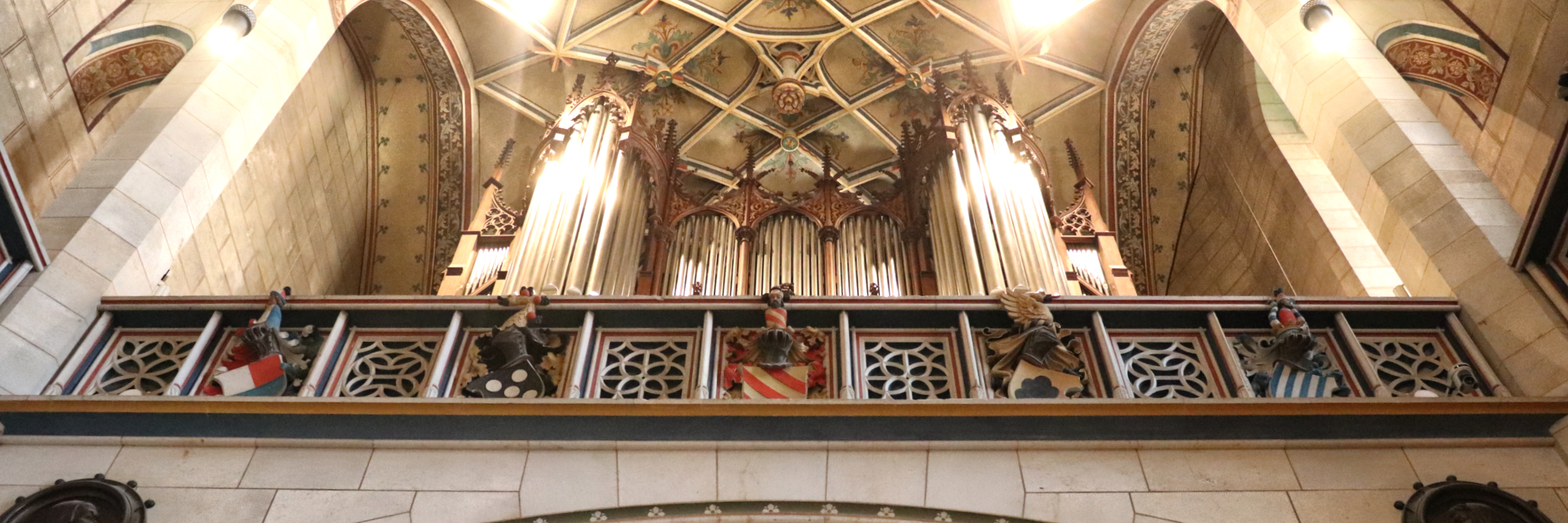
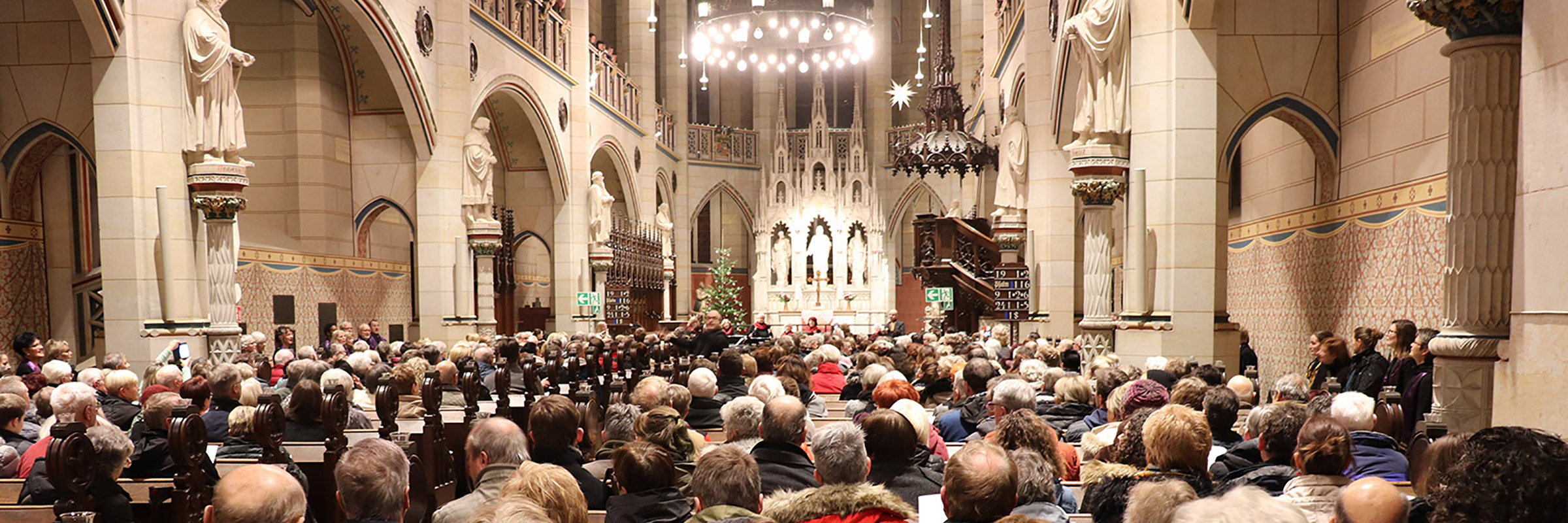
On the occasion of the Tourism Day for Locals, a concert-style organ tour will be held at the Castle Church (Schlosskirche) in Wittenberg on Saturday, November 14, at 5:00 p.m. The historic organ, built by Friedrich Ladegast in 1863/64, is one of the region’s most outstanding instruments. In 1994, it underwent a comprehensive restoration and expansion by the organ-building firm Eule (Bautzen). Rooted in the Central German organ-building tradition, the instrument now features 57 stops across four manuals and a pedalboard.
The program, lasting approximately one hour, will include organ works by Buxtehude, Bach, Brahms, Reger, Gigout, and Pärt. The musical selection reflects the end of the liturgical year—notably through Bach’s popular arrangement of the chorale "Wachet auf, ruft uns die Stimme" ("Wake, awake, for night is flying"). During brief introductions to the pieces, KMD Ulrich Hirtzbruch will showcase various organ stops, helping the audience discover the instrument’s tonal diversity and technical foundations. For this part of the event, attendees are invited up to the organ loft. Afterward, there will be an opportunity to take a look inside the organ itself. Admission is free; donations are welcome at the exit.
Select your language
St. Martin’s Day
This celebration takes place every year on November 11th and commemorates Saint Martin of Tours, a kind man who was once a soldier. The best-known story tells of how, on a cold day, he shared his warm cloak with a shivering beggar to help him. We celebrate this day to remember the importance of being kind, helpful, and willing to share with others. For this reason, on St. Martin’s Day, children walk through the darkness carrying colorful, handmade lanterns and singing songs—a symbolic reminder of the benevolent light and charity of Saint Martin.
Current Posts
30 Years of World Heritage
In 1996, the castle church was inscribed on the UNESCO World Heritage List as an almost completely preserved prime example of 19th-century monument preservation. From 2012 to 2016, it was renovated and restored with funding from the State of Saxony-Anhalt, the Federal Republic of Germany, the European Union, and private donors.
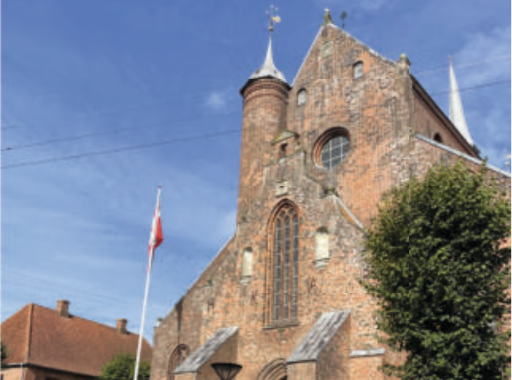
Reformation Jubilee in Haderslev – the "Wittenberg of the North"
On September 13, 2026, our Danish partner city of Haderslev celebrated the 500th anniversary of the Reformation with a festive church service.
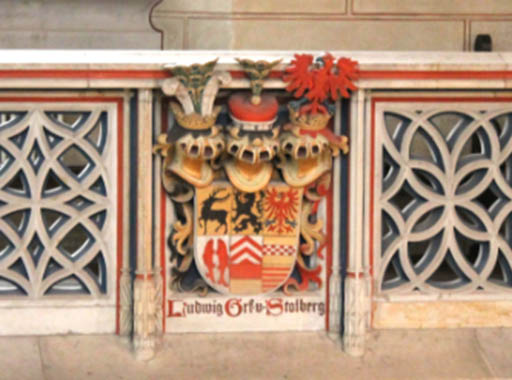
History
Around 1340, the Ascanian dukes had an "All Saints' Chapel" built at their castle and founded a collegiate monastery in it for liturgical service. Elector Friedrich the Wise had the palace with the chapel demolished and his new residential palace with a more spacious palace church built on the site. You can find out more about the story here.
Church for children
On certain Sundays there is a children's service in the Wittenberg Castle Church, parallel to the adult service. Ms. Felicia Grauel is one of the volunteers for the children's service.