Select your language





Events Calendar

| Mon | Tue | Wed | Thu | Fri | Sat | Sun |
More than 1,700 years ago, on March 3, 321 AD, Constantine the Great issued an edict establishing the first state-mandated protection in history for a work-free Sunday—marking the birth of Sunday protection. The observance of Sunday as a day of rest is enshrined in the Basic Law of the Federal Republic of Germany. The EKD (Evangelical Church in Germany) also advocates for its protection: Sunday is not a day for shopping or working. It belongs to family, faith, culture, sports, socializing, and relaxation. Find out more – www.sonntagsruhe.de
30 Years of World Heritage
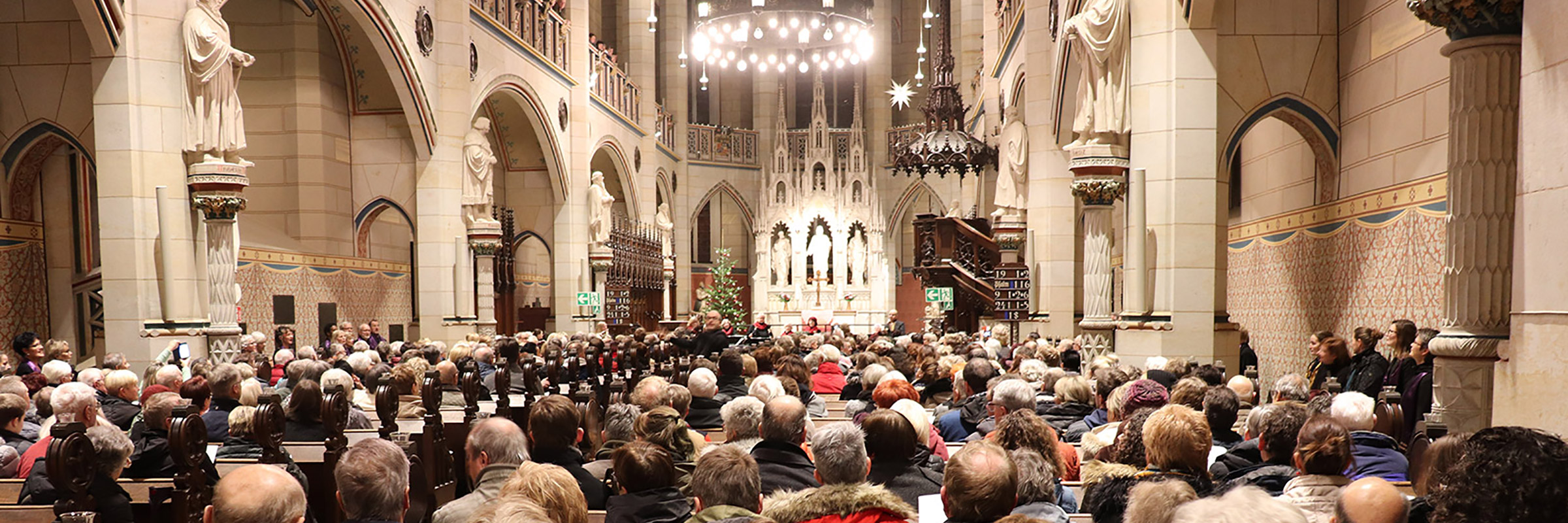
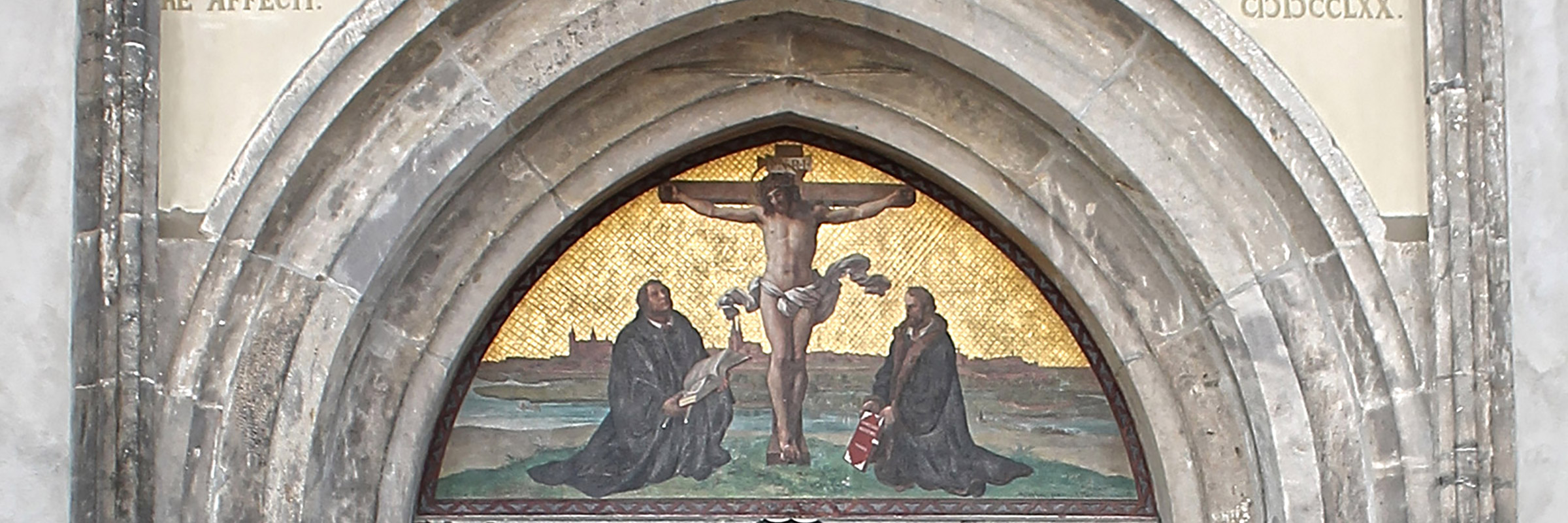
In 1996, the castle church was inscribed on the UNESCO World Heritage List as an almost completely preserved prime example of 19th-century monument preservation. From 2012 to 2016, it was renovated and restored with funding from the State of Saxony-Anhalt, the Federal Republic of Germany, the European Union, and private donors.

Congratulations, Ms. Treu!
Hiltrud Treu arrived in Wittenberg in 1976 when her husband, Hans Treu, assumed the office of Provost for the then-district of Wittenberg. Ms. Treu was actively involved in the local church community as a volunteer...
History
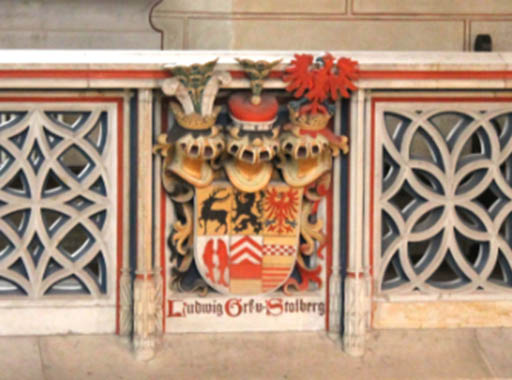
Around 1340, the Ascanian dukes had an "All Saints' Chapel" built at their castle and founded a collegiate monastery in it for liturgical service. Elector Friedrich the Wise had the palace with the chapel demolished and his new residential palace with a more spacious palace church built on the site. You can find out more about the story here.

Church for children
On certain Sundays there is a children's service in the Wittenberg Castle Church, parallel to the adult service. Ms. Felicia Grauel is one of the volunteers for the children's service.